

By Lisa Carter, President of SpartanTec
Cybersecurity & Operational Risk for Organizations
Many leaders still associate fraud with obvious warning signs—hacked systems, strange logins, or malware alerts. In reality, some of today’s most costly fraud incidents involve no technical breach at all. Instead, they exploit trust, routine processes, and normal business operations.
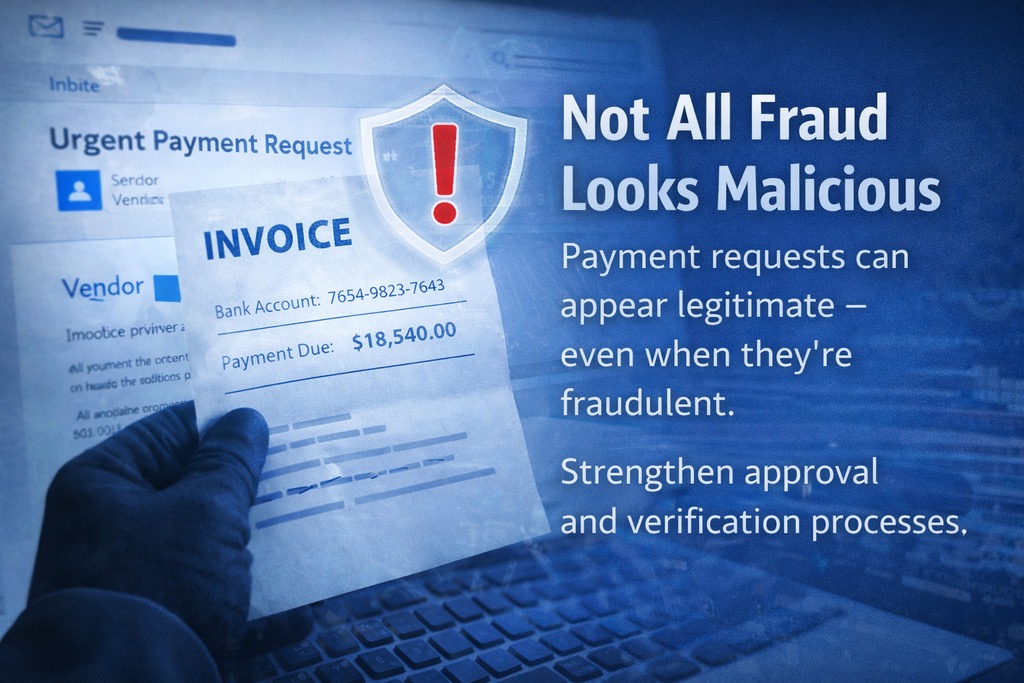
Across organizations of all sizes, fraudulent payments are increasingly initiated through what appear to be legitimate communications. A familiar vendor requests updated banking information. An email that looks like it came from leadership asks for a payment to be expedited. An invoice arrives that closely resembles previous ones, with only subtle changes that go unnoticed until funds are gone.
What makes these incidents particularly challenging is that they don’t look like cybersecurity events. There is no ransomware, no system outage, and no alert that something is wrong. Yet the business impact is significant. Funds are misdirected, investigations follow, and leadership teams are left managing financial loss, internal disruption, and reputational risk.
From a leadership perspective, the source of the incident matters far less than the outcome.
Payment fraud is often discussed as a finance or accounting issue, but in practice it reflects a broader operational risk. Attackers don’t need to break into systems if they can insert themselves into existing workflows. They monitor email conversations, replicate tone and formatting, and use urgency to bypass verification steps. Because these transactions follow established approval paths, they can move forward without triggering technical controls.
For leadership teams, the impact often becomes visible only after reconciliation or vendor follow-up. At that point, recovery options may be limited, and questions surface quickly. How was the change verified? Who approved the payment? Were controls applied consistently? And would leadership recognize the warning signs early enough if it happened again?
These are not technology questions. They are governance and operational risk questions.
Many organizations assume their processes are sufficient because nothing has gone wrong in the past. As with cybersecurity incidents, the absence of previous losses is not a reliable indicator of current risk. Vendors change. Staff responsibilities shift. Payment volumes increase. Each change introduces new exposure, often without deliberate review.
Effective fraud prevention isn’t about slowing operations or creating unnecessary friction. It’s about ensuring that payment processes reflect today’s risk environment and that expectations are clear when decisions need to be made quickly. Technology plays a role, but leadership ownership of process and accountability is just as critical.
Fraud incidents rarely start with a technical failure, but they often reveal gaps in visibility, verification, and escalation paths. Addressing those gaps before money moves is far less costly than responding after the fact.
What if a legitimate-looking request bypassed controls tomorrow? How would your organization respond?
SpartanTec works with organizations across North and South Carolina to help leadership teams align technology, process, and oversight around real-world payment and fraud risks. If this topic raises questions—or confirms concerns—we’re available for a conversation focused on clarity and practical risk reduction.
How Fraud Risk Varies by Organization
Municipalities & Local Government
For municipalities, fraudulent payments can impact public funds, audit findings, and public trust. Clear verification processes and visibility across departments are critical when payment changes or urgent requests arise.
Nonprofits
Nonprofits often operate with small teams and high trust environments. Fraud incidents can directly affect donor confidence and program funding, making clarity around payment changes especially important.
K–12 Charter Schools
Charter schools manage vendor payments, grants, and operational expenses under tight oversight. Fraud risks increase when responsibilities are shared or change frequently.
CPA Firms & Professional Services
CPA firms and professional service organizations face heightened exposure due to transaction volume, client trust, and deadline pressure. Impersonation and vendor fraud are common entry points.
Small & Mid-Sized Businesses
For small businesses, a single fraudulent payment can have an immediate financial impact. Clear processes and oversight help reduce reliance on assumptions and urgency-based decisions.
A practical way to assess visibility, risk, and operational readiness across systems, users, and vendors: https://www.spartantec.com/secureguard360/
If you’d like to talk through how this applies to your organization, you can reach us at 843-418-4792 or schedule a time to connect here:
https://go.scheduleyou.in/y7Iay5
Frequently Asked Questions
What is payment fraud?
Payment fraud involves unauthorized or deceptive transactions that result in funds being misdirected, often through impersonation, invoice manipulation, or fraudulent change requests rather than technical system compromise.
Is payment fraud a cybersecurity issue or a finance issue?
It is both. While transactions may appear legitimate, many fraud incidents originate from compromised email accounts or impersonation techniques that fall under cybersecurity risk.
Why don’t security tools always catch fraud attempts?
Because many fraudulent payments follow normal approval paths and do not involve malware or system intrusion, traditional security alerts may not be triggered.
How often should payment and approval processes be reviewed?
Payment processes should be reviewed at least annually and whenever there are changes to vendors, staff roles, approval authority, or financial systems.

